One of our clients, an insurance carrier, wanted to set-up a short mini-game built on the ImpactSIMs framework (which was normally an untimed, non-linear training simulation for salespeople and students). They wanted to be able to place their sales team “in the shoes” of what their own clients, insurance brokers, would often be facing in their day-to-day business, and how to pitch to them without getting immediately rejected. The catch was that they wanted to release this as part of their quarterly update, giving me just three weeks to write, design, and QA it.
I needed to be able to put together a quick mini-game that covered what their clients faced, make it fun and replayable, and still find a way to include a couple of short-form non-linear dialogues, and all on an Atari 2600 E.T. development timeline, so not a great starting point.
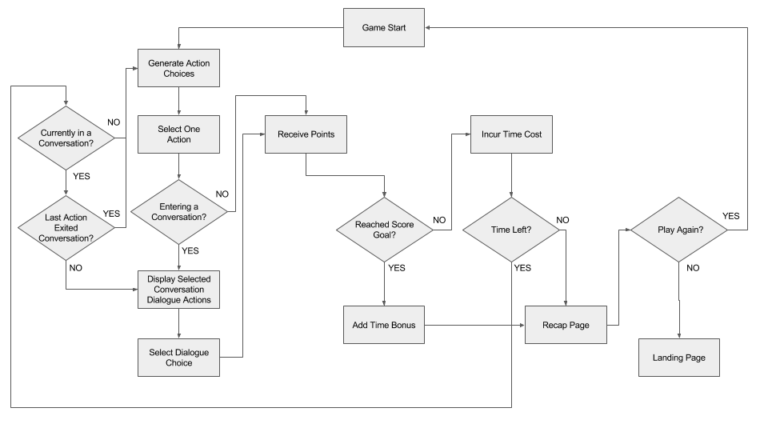
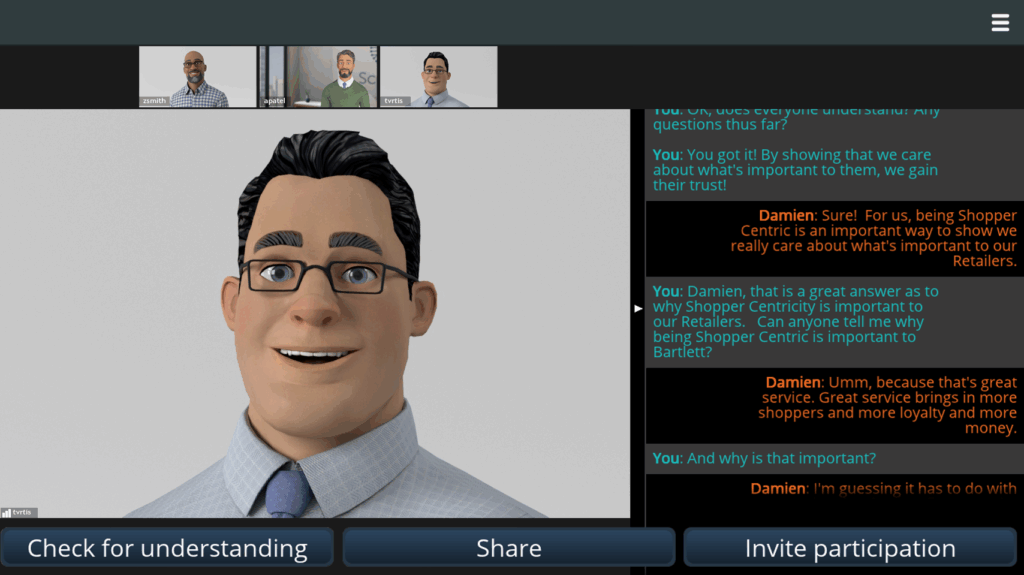
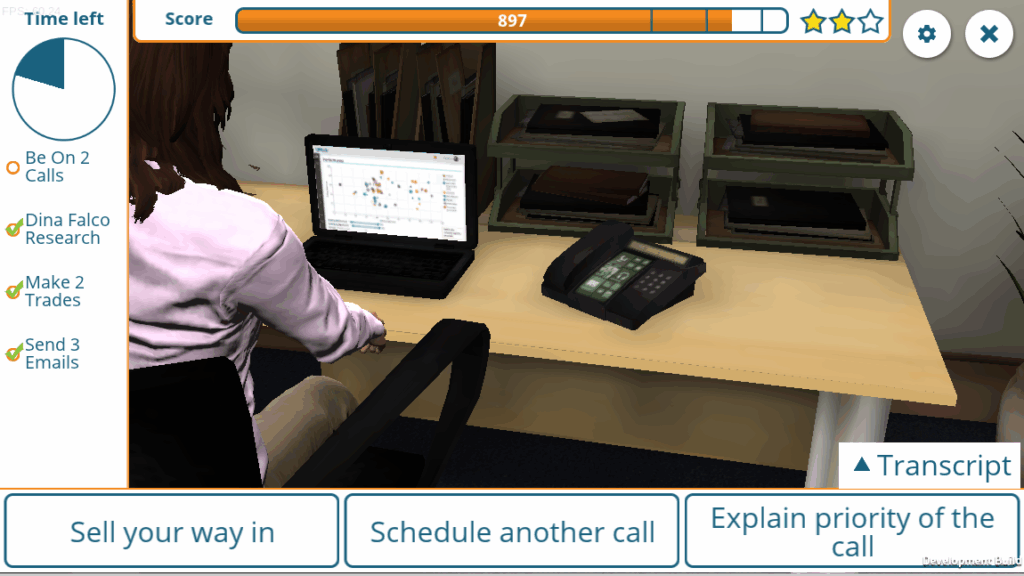
I started by interviewing a number of the sales people currently working for the client who had previous experience as insurance brokers. These people made it clear that time was the most important thing for the profession, and really wanted to hammer that home: don’t waste the broker’s time. Using this information, I worked with a few subject matter experts and put together a short time management game that included a few phone calls from brokers along with the everyday tasks. The scoring worked out so that if the player stayed too long on a call with a broker that was wasting their time, their score would tank. Players got a score breakdown after the game, allowing them to understand that wasting time on unproductive phone calls was the primary thing to avoid.
The game was quickly designed, produced, and tested. Thanks to using our pre-existing framework and assets, we had very little new content that needed to be created (primarily some animations). We released on time, and checked back in the after after as well as several weeks to see how everything was working; we were delighted to hear that the game was a huge hit, and became the favorite part of the training for new sales reps. Even better, the majority of them stated that the game made them realize how their phone conversations were hurting their sales, and they all revised their approaches to respect the time of the brokers.
Evil Magic Finger
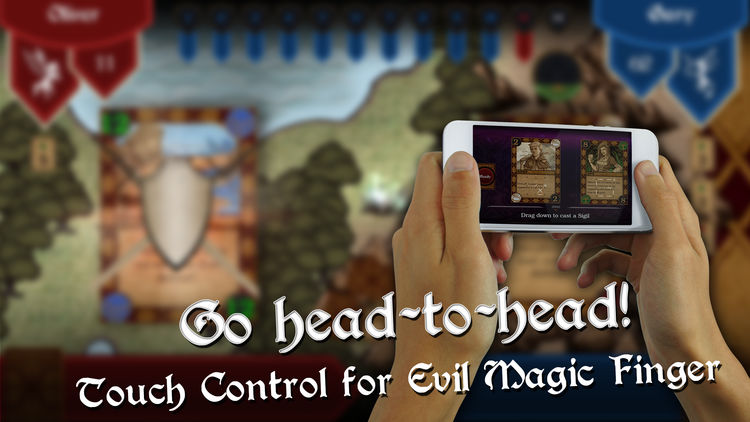
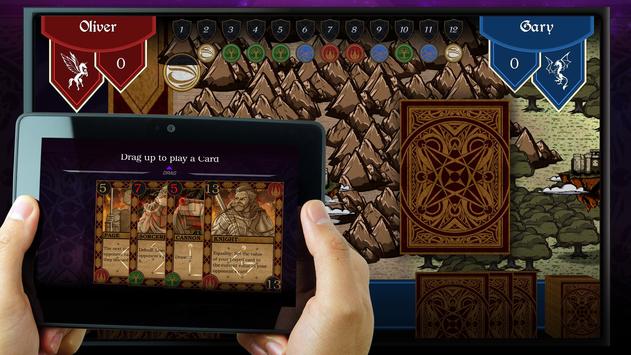
While developing Evil Magic Finger, a card battle game, for the Amazon Fire TV, we noticed during playtesting that players always used their strongest card each round. This was making gameplay predictable and boring, removing any real sense of strategy or tactics, and making the players feel like it was more the luck of the draw than their own skill when they won or lost.
I needed to change the core mechanics so that players had to think strategically about when and how to play each card, but without adding a lot of noise or clunky rules. There would need to be a reason to sometimes hold on to your strongest card, and in a way that made the game better.
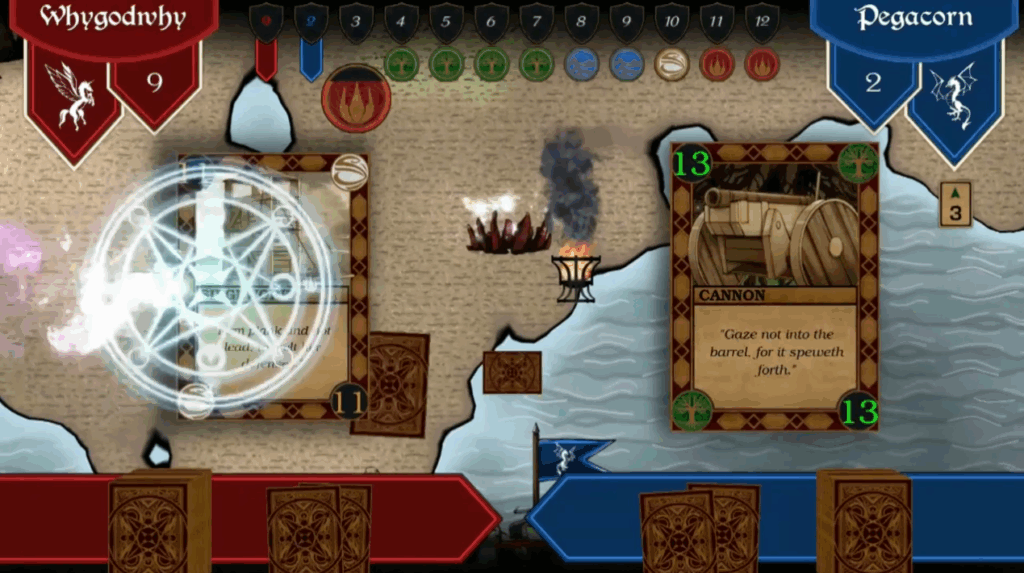
Since the cards all had their own suit, I changed it from the standard Hearts, Diamonds, Clubs, and Spades, to Fire, Water, Earth, and Air. Likewise, each round, the battleground changed to a different element type as well. Playing a fire card on a fire battleground gave a bonus, but playing a water card on a fire battleground incurred a penalty. Each element would show up at least twice over ten rounds, but it was otherwise random. This forced players to think more about whether or not to play their strongest card or save it for a matching battlefield. Conversely, they might want to play that strong Water card on a neutral battleground, just in case the next one was a Fire background. This added much needed depth, making each hand more engaging.
The new system nailed it: players were now thinking much more about future rounds, and the risk vs rewards of holding on to their strongest cards for a matching battlefield or playing them regardless, hoping that their opponent would be saving their own cards for later. Players loved the changes and player feedback named it their favorite feature, even getting praise from the CEO of the company.
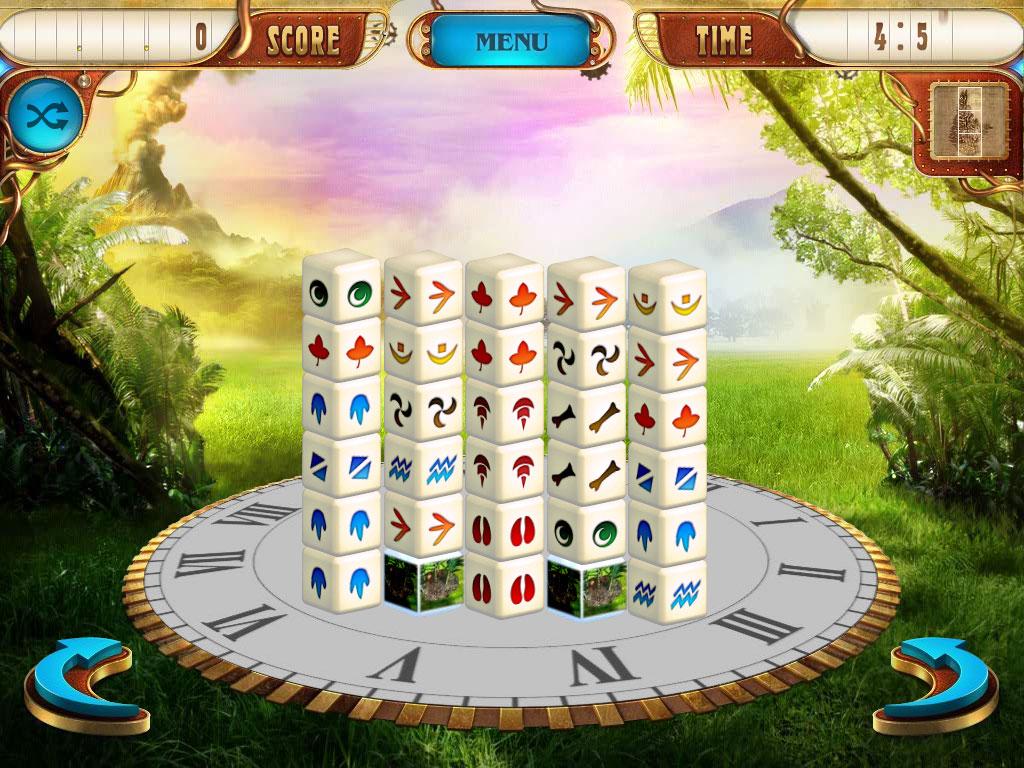
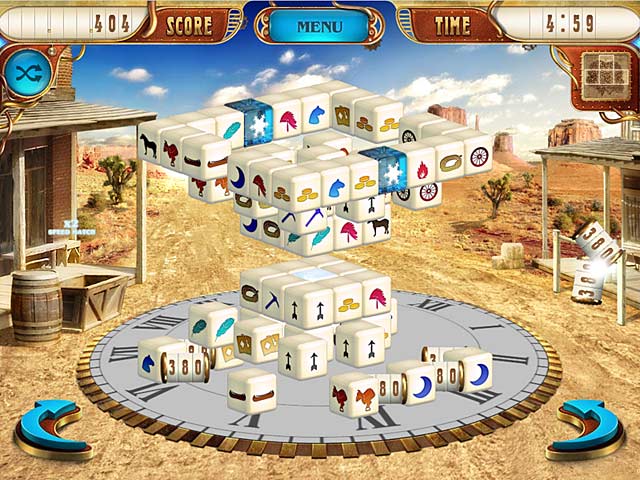
Mahjongg Dimensions Deluxe: Tiles in Time
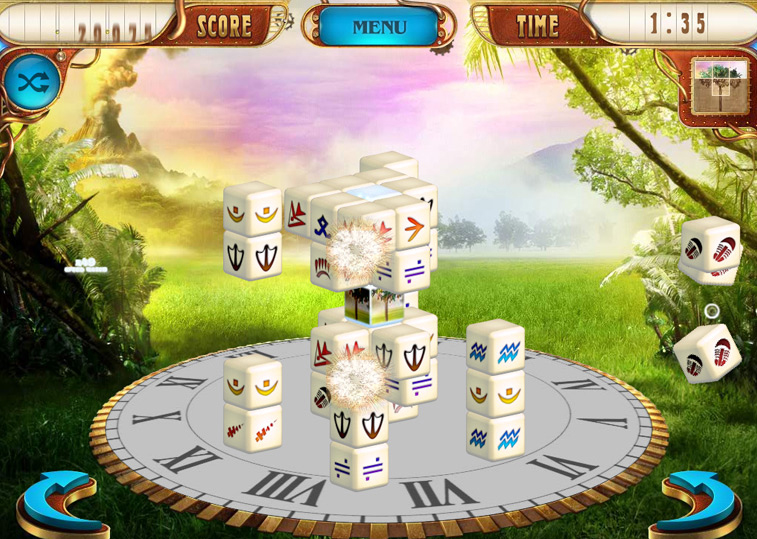
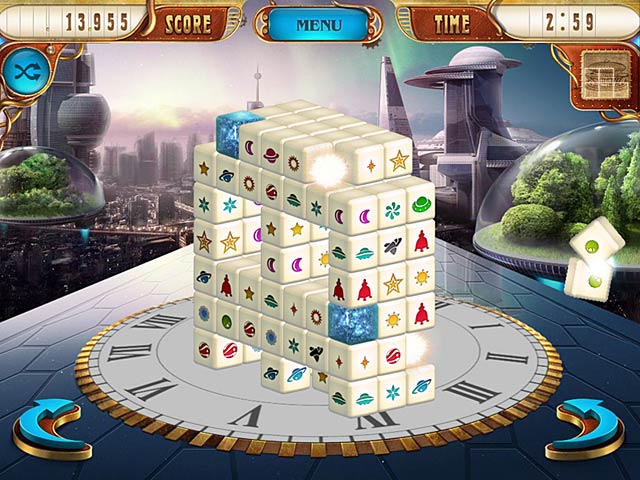
As the lead game designer on Mahjongg Dimensions Deluxe: Tiles in Time, I realized that we were behind schedule on level design. With over 200 levels to create, there simply wasn’t enough time for me to build them all myself and test them for difficulty.
I needed to bring in level designers to help create the puzzles while making sure that the difficulty ramped up consistently, and furthermore needed a clear and concise way to document this for the new level designers so they could hit the ground running.
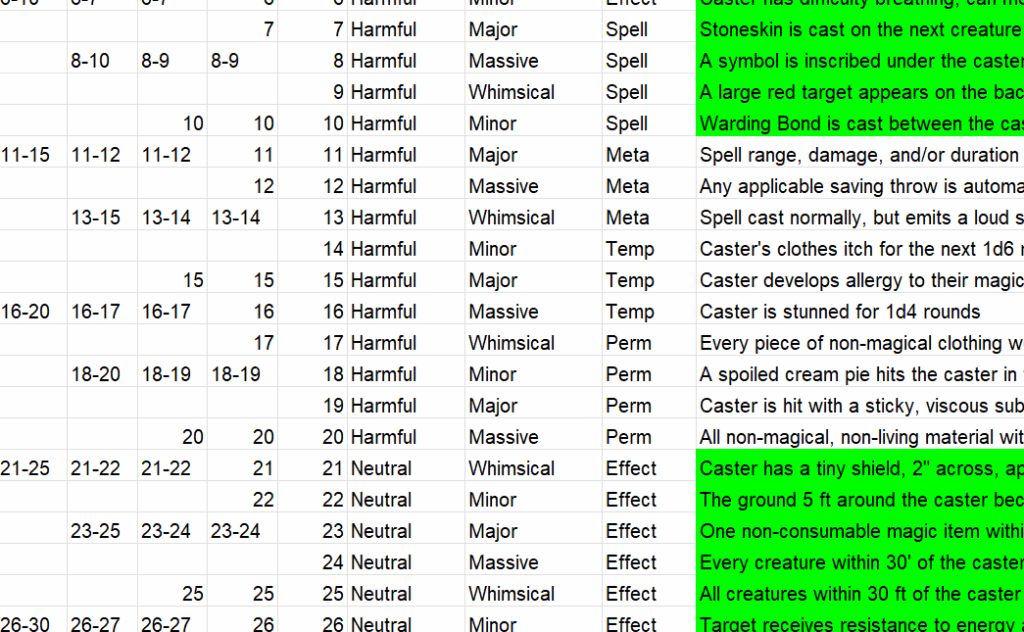
First, I broke down the different elements that influenced the difficulty of a level, such as number of tiles, number of edge tiles, number of uncovered tiles, etc. I also assigned a difficulty level to each variable: for example, a puzzle with a lot of starting uncovered tiles is much easier, as there are many options for the player to choose from. Then, using that information, I devised a set of color-coded spreadsheets where each row represented a puzzle and each column represented a difficulty variable: total number of tiles, number of open tiles, etc. This let me not only make sure that all of the puzzles were equal in challenge, but also provided easy ways to make each puzzle feel different, as some might have a lot of bonus move tiles, whereas others might have a lot of uncovered tiles. I gave these spreadsheets to the level designers working under me, allowing them to focus on making fun and challenging puzzles by using the numbers in each row as a starting point, and building around them, rather than having to start from scratch each time.
This system saved significant time, allowing the designers to start immediately on the puzzles, and we finished ahead of schedule, giving us a chance to go back and do some fine tuning. The levels themselves flowed smoothly, getting more difficult from start to end without ever feeling like one was suddenly too hard or too easy. The player feedback confirmed this, with players (including my mom and sister) commenting on how we hit that sweet spot of just challenging enough that if they failed a puzzle, they immediately wanted to try again.
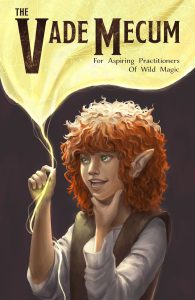
The Vade Mecum...
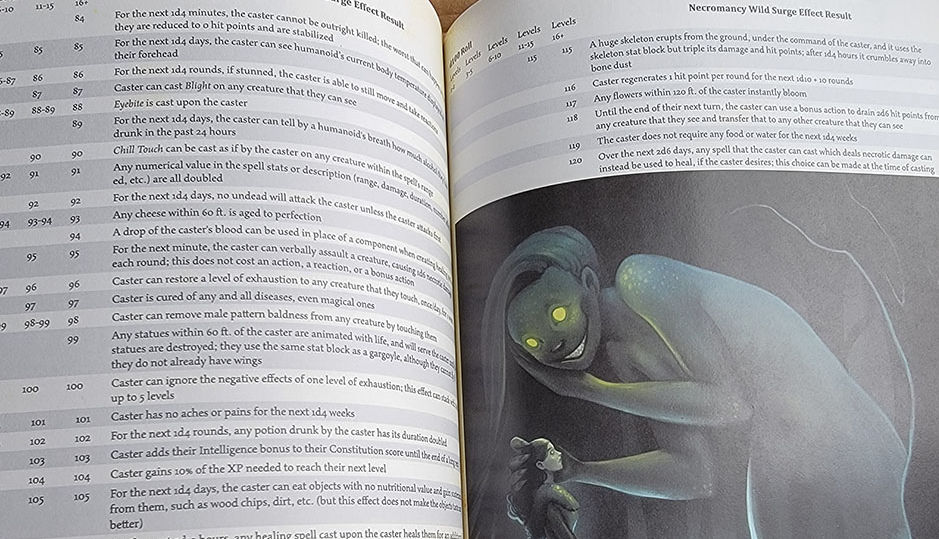
As I was writing the my rules supplement for D&D 5e, I wanted to harken back to the original ruleset from 2nd Ed., but there was a deep problem with part of the character subclass. Namely, that the original table for wild surges had some creative results, but the table never changed over time to reflect the character growing in power. It both made it more dangerous as low-level characters could accidentally roll results that would destroy the entire party, or on the other end, powerful wizards would get small, useless results that were neither amusing nor interesting.
I needed to create a system that preserved the unpredictability and fun of wild magic but kept lower-level players from being punished too harshly by just a bad roll of the dice. Likewise, I needed the system to scale with the characters, allowing them to feel like their power was growing, even in their wild surges.
What I came up with was a tiered system, where each time the character reached a threshold of a certain character level, they “unlocked” a new set of results. This allowed me to gatekeep the most dangerous roll results for later levels where the party would be better suited to at least survive the roll, and this also meant that as the character grew in levels, they would, through these new and powerful wild surges, really feel like their character was growing in power.
The mechanic turned out to be a hit with players: all 200+ supporters of my Kickstarter loved the new tiered system, and even started sharing with the group examples of when someone rolled a crazy result. More importantly, those playing alongside the wild mages felt much more safe, knowing that they would not be suddenly wiped out from a 1st level wizard triggered one wild surge.